


Humanoid
Humanoid
Humanoid
Humanoid
Humanoid
Humanoid
Humanoid
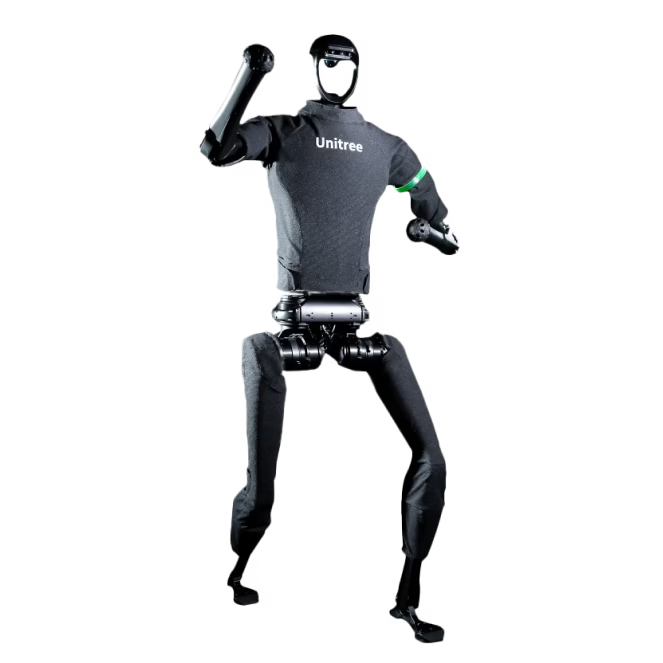
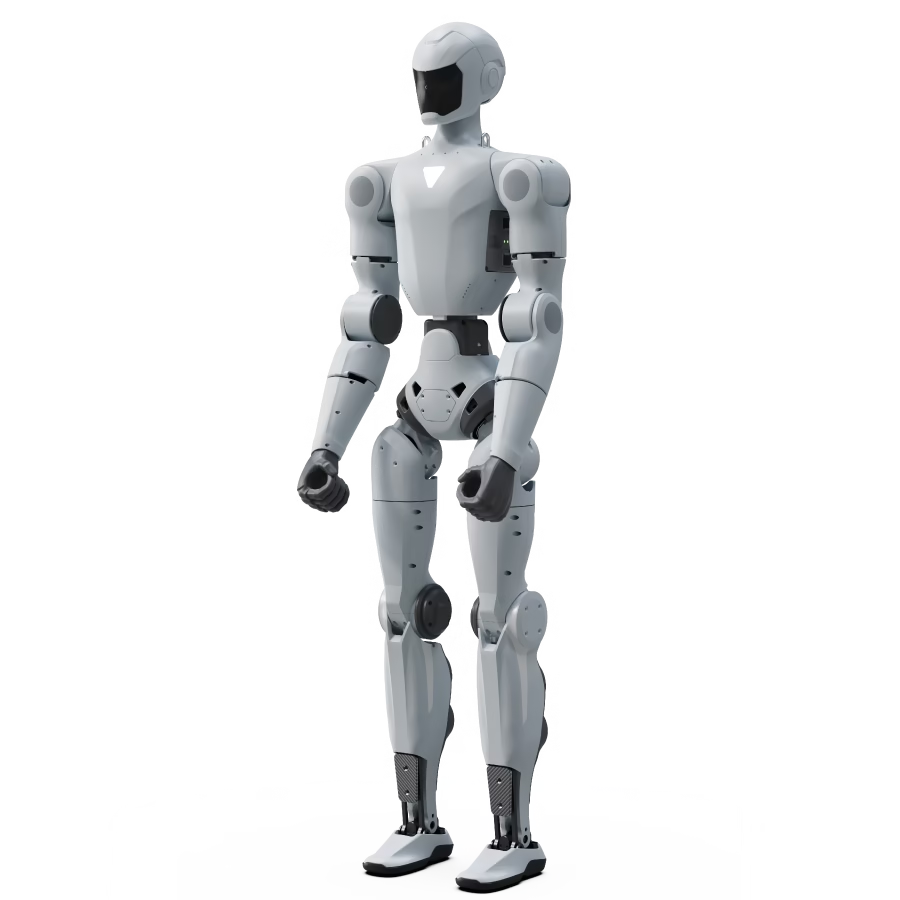
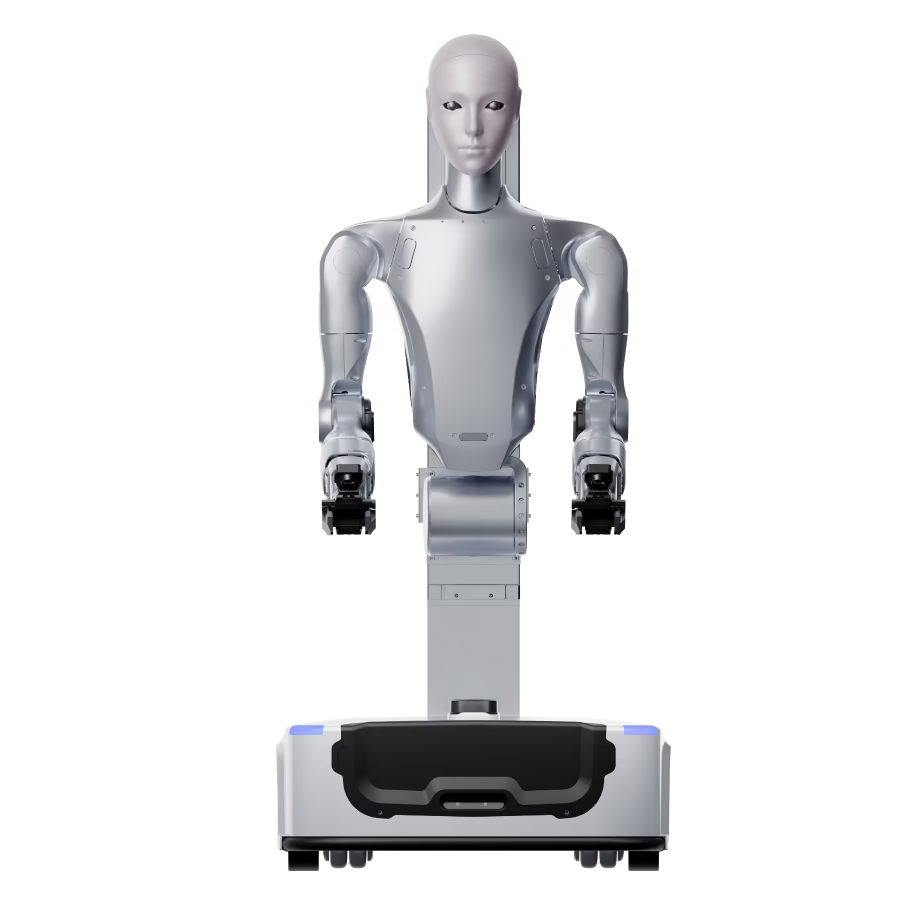
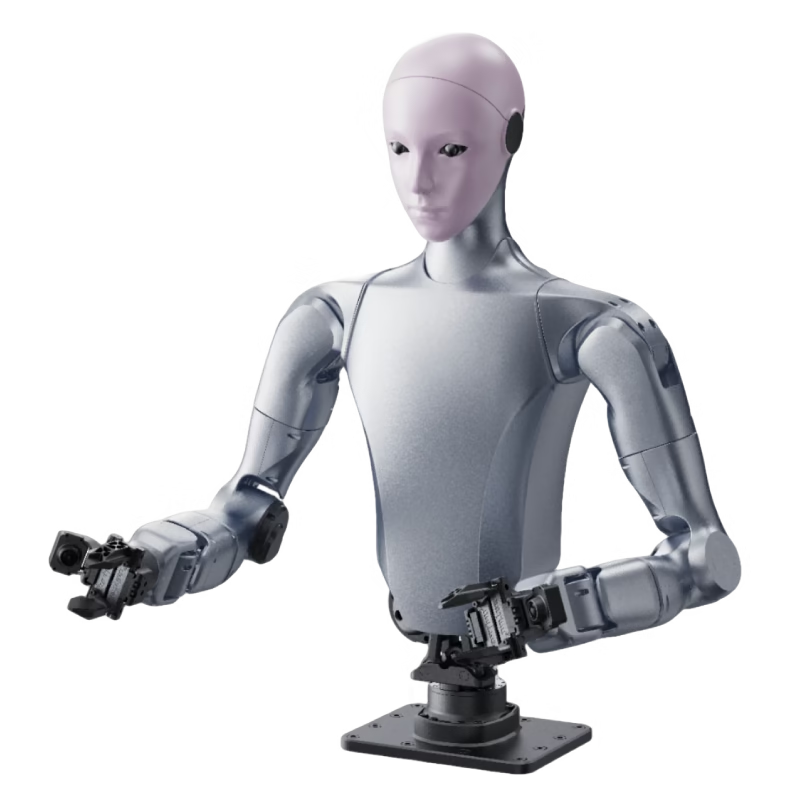
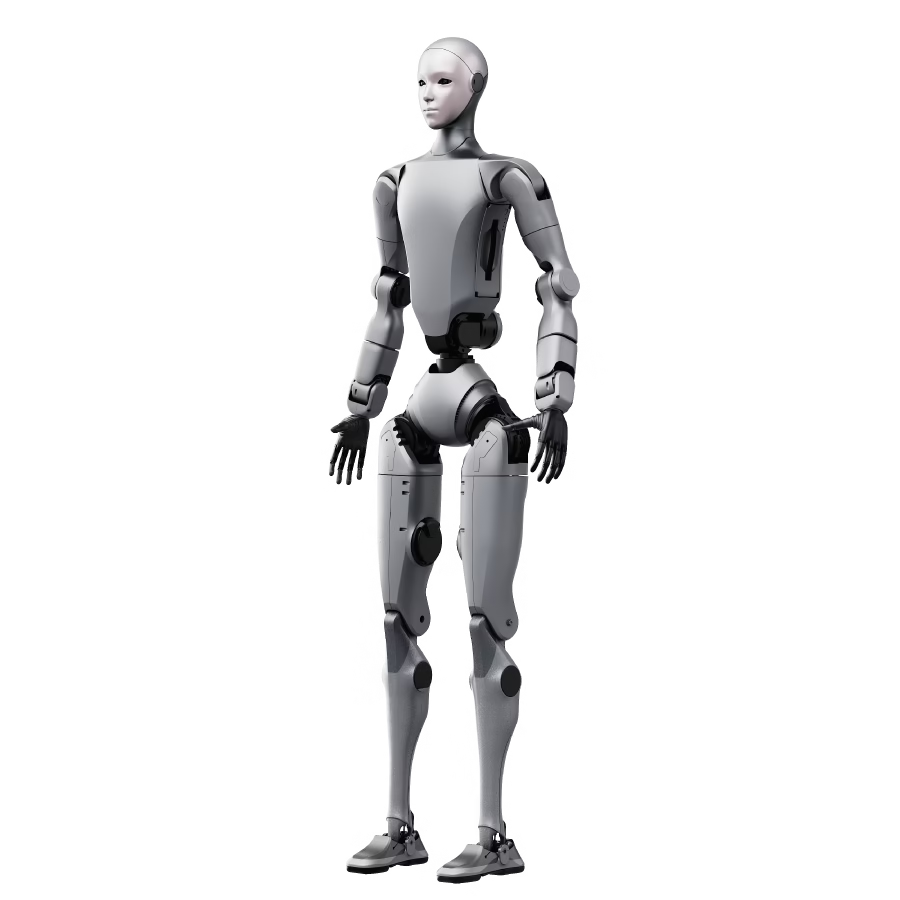
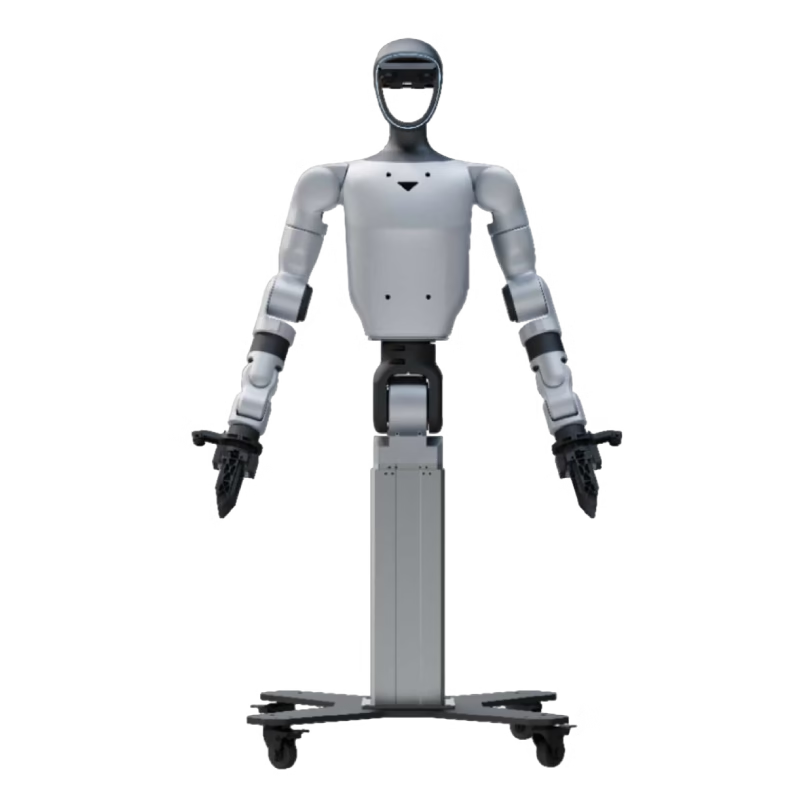
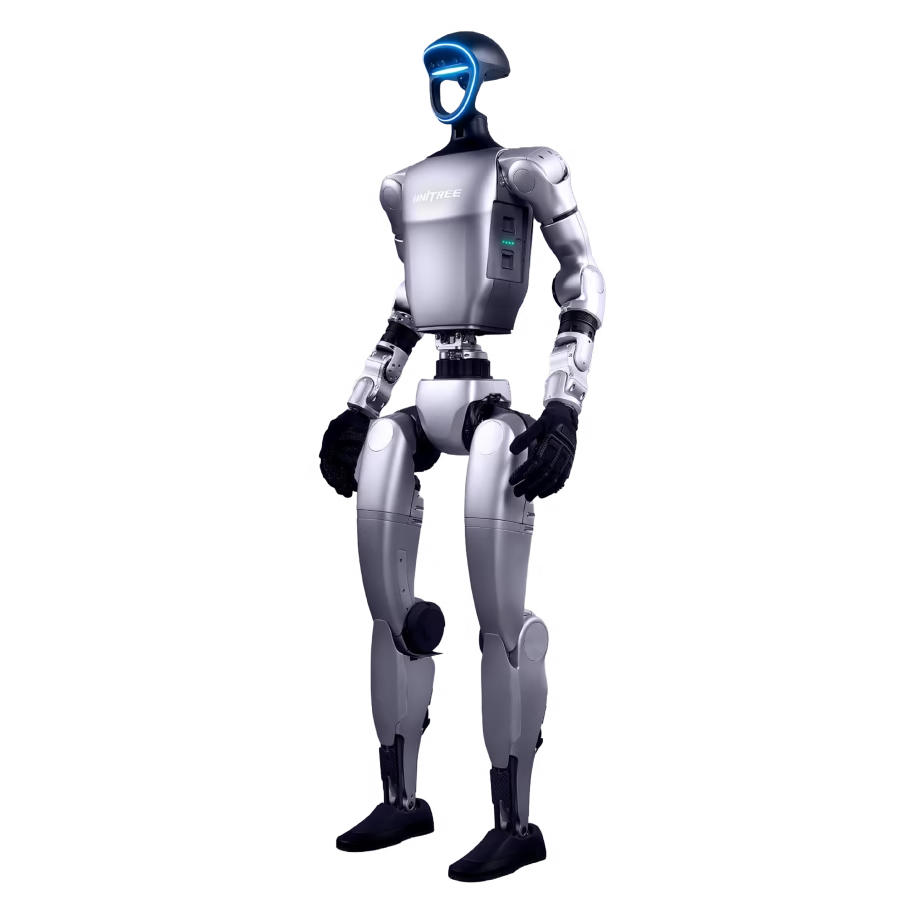
A humanoid is a machine designed to resemble humans, both in appearance and behaviour. In robotics, the term mainly refers to a robot that has a head, a body, arms and usually two legs, as well as sensors and software that enable it to perceive its surroundings, plan and interact. Technically, a humanoid combines advanced mechatronics with computer vision, speech understanding and decision-making. Walking on two legs requires balance algorithms, powerful actuators and rapid feedback from gyroscopes and pressure sensors. Hands with fingers provide the dexterity needed for assembly, service and care. By using multimodal sensors—such as cameras, lidar and microphones—a humanoid can create a model of its surroundings and act safely among people. The areas of application are growing rapidly.
A humanoid can serve as a service assistant in a shop, a laboratory technician, a warehouse picker, an educational platform, or a field robot in environments that are hazardous to humans. In healthcare and rehabilitation, a humanoid can assist with lifting, deliveries, and social support. In research, humanoid platforms serve as test beds for AI, motor skills, and human-robot interaction.
Investing in humanoids is becoming increasingly relevant for businesses, researchers and even in our daily lives. A humanoid is designed to mimic the shape and movement patterns of humans, making it perfectly suited to a world that is already created for us. This means that a humanoid can open doors, walk up stairs, use tools and interact in the same environments as we do – without us having to rebuild the infrastructure.
A humanoid combines technical versatility with human compatibility and represents the next step in how we can use robotics to improve both work and quality of life.